Essential Shanghai Dishes
Essential Shanghai Dishes
Shanghai’s local cuisine, known as benbang cai (本帮菜), is often rich, savory, and slightly sweet, with soy sauce, Shaoxing wine, and rock sugar used in many classic dishes.
A lot of Shanghainese classics are pretty simple and comforting: braised meats, noodles, dumplings, and rich, slightly sweet sauces.
Shanghai has food from all over China, so it’s actually pretty easy to spend a whole trip here without trying that much local food. If you want to get a taste of Shanghai itself, these are a good ones to start.
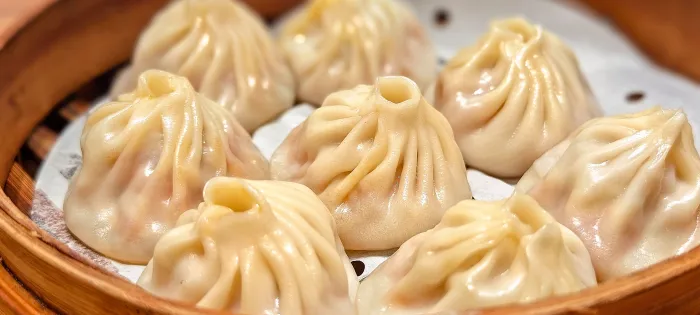
Soup Dumplings
小笼包 xiǎo lóng bāo
Probably Shanghai’s most famous food export. Xiaolongbao are small steamed soup dumplings with a thin wrapper, usually filled with pork and meat aspic. As they steam, the aspic melts into a hot, rich broth inside the dumpling.
They’re usually served in bamboo steamers and are best eaten while they’re still hot, but not too hot. The wrapper is delicate, so they can tear easily if you grab them too roughly.
How to eat it: pick one up gently and place it on a spoon, bite a small hole in the wrapper, then sip the broth before eating the rest. Going straight in is an easy way to spill the soup or burn your mouth. Black vinegar and shredded ginger are the classic accompaniments.
You’ll also see hairy crab xiaolongbao around in autumn, usually with crab roe, meat, and paste mixed into the filling. Champions Shanghai lines up with the start of hairy crab season too, so it’s a pretty good time to try them.
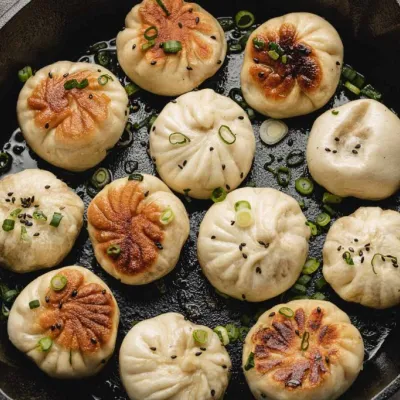
Pan-Fried Pork Buns
生煎包 shēng jiān bāo
breakfast classic
Bigger and heartier than xiaolongbao, shengjianbao are cooked in a pan until the bottoms turn crisp and golden while the tops stay soft and fluffy. Inside is usually pork, often with hot broth that forms as the buns cook.
They’re a Shanghai breakfast staple, especially fresh from the pan in the morning, but many shops serve them throughout the day.
The best part is the contrast: crispy underneath, soft on top, juicy inside. Just be careful with the first bite. The broth can be seriously hot.
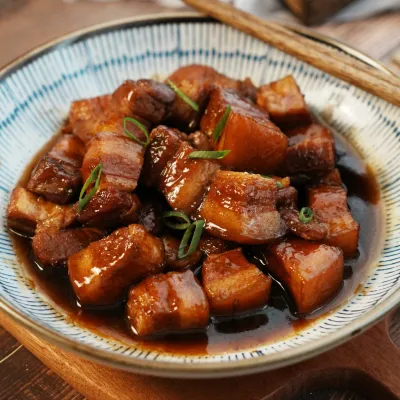
Red Braised Pork Belly
红烧肉 hóng shāo ròu
Pork belly slowly braised with soy sauce, rock sugar, and Shaoxing wine until tender and coated in a deep, glossy sauce. Rich, sweet, and savory, it’s one of the dishes that best captures the classic flavor of Shanghai home cooking.
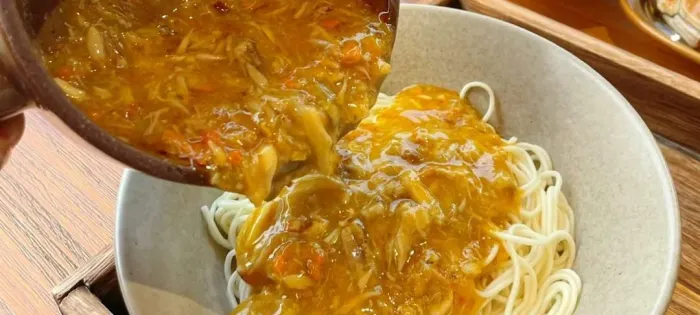
Crab Roe Noodles
蟹黄面 xiè huáng miàn
One of Shanghai’s great autumn indulgences: plain noodles topped with rich, freshly picked hairy crab, usually a mixture of crab meat, roe, and crab paste cooked down with oil and seasoning.
Hairy crab season starts around September, but October and November are usually the best time to order it, when the crabs are at their richest. Prices vary wildly depending on how much actual crab goes into the topping, from a relatively simple bowl at a noodle shop to versions made with several whole crabs at specialist restaurants.
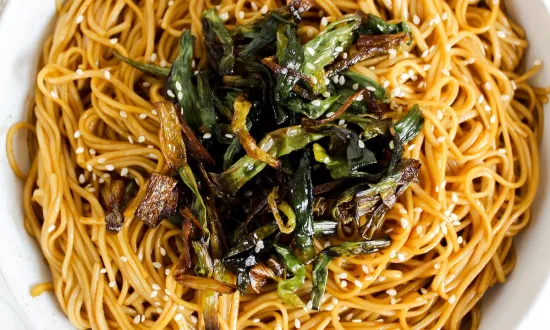
Scallion Oil Noodles
葱油拌面 cōng yóu bàn miàn
One of Shanghai’s simplest comfort foods. The noodles are tossed with soy sauce and fragrant scallion oil, usually with a little sugar for that slightly sweet, savory flavor.
You’ll find versions all over the city, from small neighborhood noodle shops to more expensive restaurants. Some keep it simple, while others add toppings like pork, shrimp, or a fried egg.
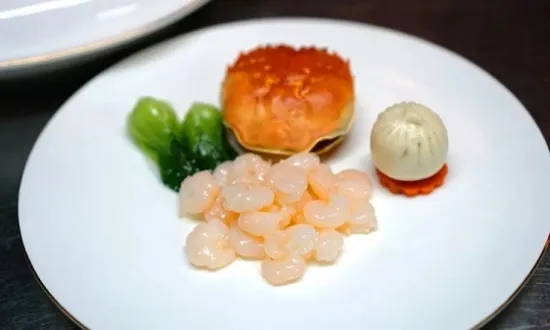
Crystal Shrimp
水晶虾仁 shuǐ jīng xiā rén
A classic Shanghai dish of peeled shrimp stir-fried just long enough to stay tender, springy, and almost translucent, which is where the “crystal” name comes from.
Unlike many of Shanghai’s richer, soy-heavy dishes, crystal shrimp is deliberately lightly seasoned, letting the sweetness and texture of the shrimp do most of the work. If you like that clean, bouncy shrimp texture, you’ll also find similar shrimp fillings in xiaolongbao, wontons, and other dumplings around Shanghai.